
Vulnerable: March 11-13, 2026
Luminary
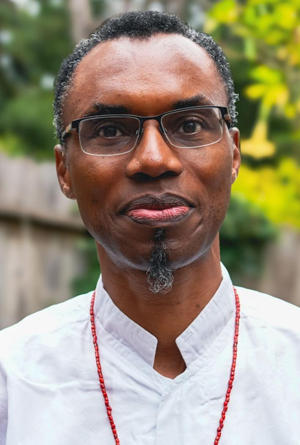
Agbonkhianmeghe E. Orobator, S.J.
Dean of the Jesuit School of Theology of Santa Clara University
Agbonkhianmeghe E. Orobator, S.J., grew up in Benin City, Nigeria, practicing traditional African religion. After visiting the local Jesuit parish as a teen for Easter vigil Mass, he became enamored with Catholicism and the Jesuit Order. He saw the works of the American Jesuits as fully devoted to the service of others, resonant of an African anthropology of Ubuntu that teaches “a person is a person through other persons.” After two years of college, where he studied linguistics and African languages, he joined the Jesuits in 1986 and was ordained in 1998.
Fluent in four languages, Fr. Orobator received his Ph.D. in theology and religious studies from the University of Leeds in England, his MBA from Georgetown University, and his licentiate in sacred theology from JST-SCU, from which he also received an honorary doctorate in 2012. He received a bachelor’s degree in theology from Hekima University College in Nairobi, Kenya, and a bachelor’s degree in philosophy from Institute de Philosophie Saint Pierre Canisius in Kinshasa in the Democratic Republic of the Congo.
He previously served as provincial superior of the Jesuits of the Eastern Africa Province. He has taught theology and religious studies at Hekima University College, St. Augustine College of South Africa in Johannesburg, and Marquette University in Milwaukee. He serves on the board of directors of Theological Studies and the board of directors of Georgetown University.
He is the author of The Pope and the Pandemic: Lessons in Leadership in a Time of Crisis (2021), Religion and Faith in Africa: Confessions of an Animist (2018), and Theology Brewed in an African Pot (2008); and most recently, editor of African Synodal Theology: A Tall Tree is as Strong as Its Roots (2025).
Sensory Focus
During this session, we embark on a transformative journey guided by the sense of sight and the timeless practices of stained glass, watercolor painting, kintsugi, or shibori. Much like a skilled painter, we will explore how to wield vision as a brush, delicately crafting the contours of inspiration and resilience. Through the lens of these art forms, we uncover the profound lessons of adaptability, empathy, and embracing imperfection as essential elements of effective leadership. Join us as we embark on a voyage of discovery, where the canvas of leadership becomes a vibrant tapestry woven with the threads of creativity, insight, and purpose.
Music:
We are also invited to engage the sense of hearing as a vital pathway for formation. A curated playlist has already been created by John Jeter, Grammy-nominated conductor, who encourages us to experience formation not only through reading or slides, but through deep listening. This music is offered as a companion to this session – an invitation to slow down, notice and allow sound to shape reflection, emotion, and insight in ways words alone cannot.

Introduction to Pre-work
As we prepare for our Mission Leadership Academy session on those who are poor and vulnerable, we begin by recognizing the signs of our times and learning to see more clearly who stands at the margins. This experience invites us to slow down and notice with intention, allowing the sense of sight to become a doorway into deeper awareness of the dignity, struggle, and resilience present in our communities and within our ministry.
Seeing vulnerability is not only about others; it also calls us to acknowledge our own. When we recognize our shared humanity, we lead with greater courage and compassion. The following pre work offers simple ways to engage the topic through reflection and observation, helping you arrive ready to notice differently and to allow what you see to shape how you lead.
Session Pre-work
In preparation for the upcoming session, please review the items outlined below.

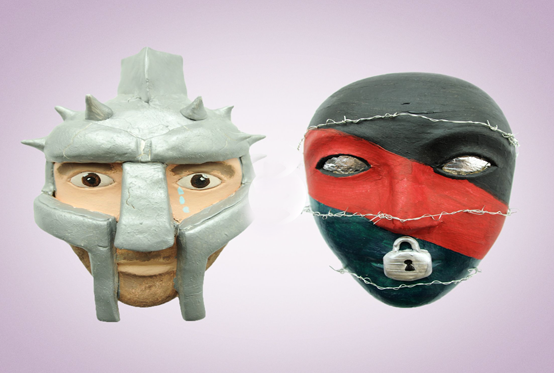

Those Who Are Poor and Vulnerable
Across faith traditions and moral frameworks, there is a shared conviction: how we treat those who are poor and vulnerable reveals who we are. In Catholic health care, this commitment is not peripheral—it is central to our identity, shaping how we lead, whom we prioritize, and how we understand healing itself.
Dorothy Day reminds us that the poor are not a category or a problem to be solved. They are persons to be encountered. She insisted that love must be lived through proximity—through hospitality, shared life, and attention to dignity. For Day, care for the poor was never abstract. It was personal, demanding, and transformative, calling leaders to allow encounter to reshape conscience and responsibility.
Óscar Romero gave voice to those rendered invisible by violence and injustice. He taught that the Church—and all who serve the common good—must stand where suffering is most acute, even when doing so carries risk. Romero believed that authentic leadership listens first to the cry of the poor, allowing their reality to challenge comfort, clarify truth, and guide moral action.
Frances Xavier Cabrini, patron saint of immigrants, embodied care for the vulnerable through tireless action. She responded to poverty, displacement, and exclusion not with hesitation, but with bold trust and practical compassion—building hospitals, schools, and systems of care where none existed. Cabrini reminds us that commitment to the vulnerable must take institutional form, shaping structures that endure.
Together, these witnesses teach that care for those who are poor and vulnerable is not simply about generosity or goodwill. It is about solidarity, courage, and sustained presence. It asks leaders to remain close to suffering, to design systems that protect dignity, and to allow the lives of those most at risk to inform decisions, priorities, and values.
In Catholic health care—and in partnership with people of all faiths and none—this commitment calls us to lead with humility, to listen deeply, and to remember that healing begins where dignity is honored and no one is forgotten.
Chronicles of the Journey Prompt
Definition of the corporal works of Mercy – The seven Corporal Works of Mercy, often highlighted in Catholic teaching, include feeding the hungry, giving drink to the thirsty, clothing the naked, sheltering the homeless, visiting the sick, visiting the imprisoned, and burying the dead.
The Corporal Works of Mercy are found in the teachings of Jesus, and give us a model for how we should treat all others. They “are charitable actions by which we help our neighbors in their bodily needs.” They respond to the basic needs of humanity as we journey together through this life.”
The Corporal Works of Mercy Article
Consider adding pictures, videos, links, words, or any other expression to describe where mercy has been experienced in your life. When have you been the recipient of it? When have you offered it? Think of the team you lead. When have you witnessed them offering mercy to patients or each other? How is mercy connected to our theme of Vulnerable?